
Criminal Cases in the Unicoi County Courts
Unicoi County criminal court cases can begin in General Sessions Court and later move to Circuit Court. General Sessions handles misdemeanors within its jurisdiction and the first stages of felony matters, including preliminary proceedings. The Circuit Court for Tennessee's First Judicial District handles felony prosecutions after indictment or transfer. Darren C. Shelton serves as Circuit Court Clerk and keeps the local dockets, filings, judgments, and financial ledgers for these proceedings.
Municipal matters use separate counters. Erwin City Court and Unicoi City Court handle assigned ordinance and traffic cases. A citation or case notice usually names the court. That heading matters because the Circuit Court Clerk is not the same office as the County Clerk, which handles licenses and county transactions. The Tennessee courts description of General Sessions jurisdiction and its Circuit and Criminal Court overview show the division.
The official General Sessions page gives useful jurisdiction context.
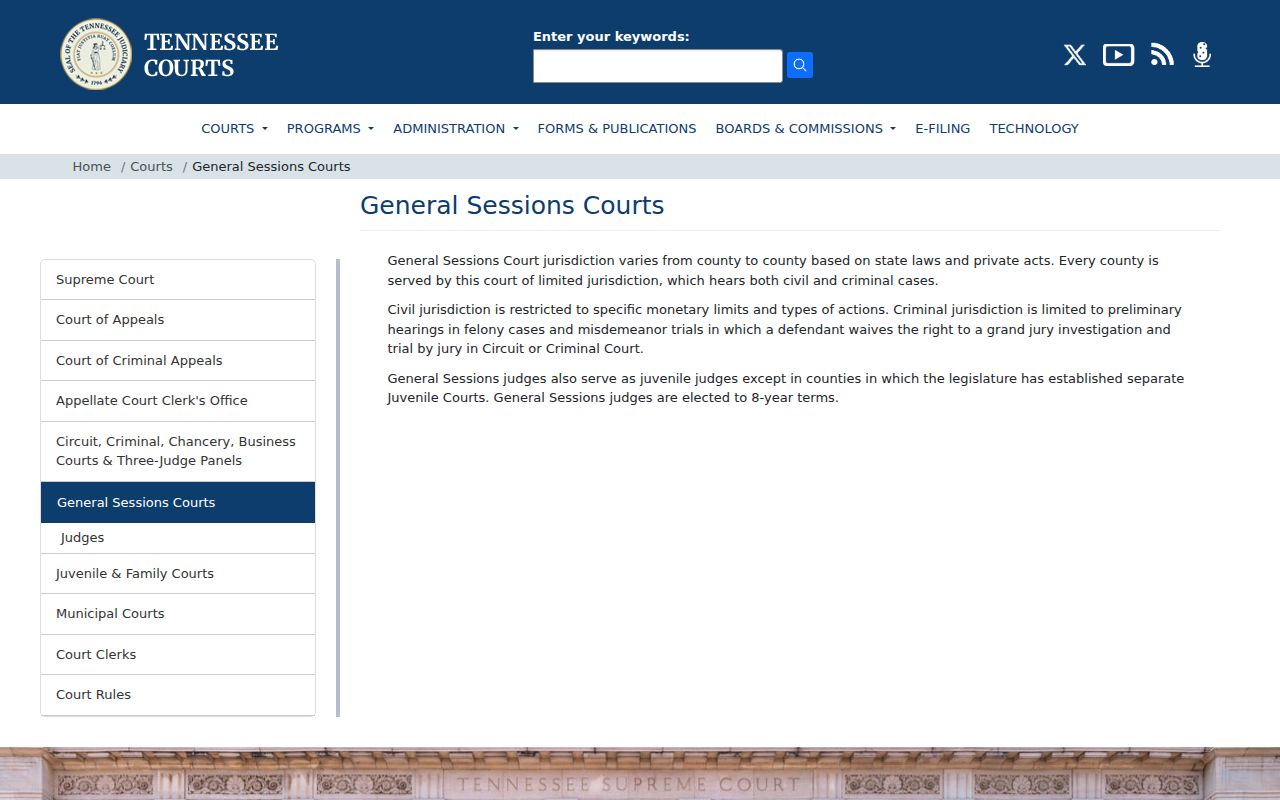
It explains why an early felony event may appear at the lower court before a Circuit file is opened.
Unicoi Criminal Cases Without a Portal
No public online database covers ordinary Unicoi County trial cases. The practical search tool is the clerk's staff and record counter. Call 423-743-3541 with the full case style or party name, an approximate filing year, and any known case number. Ask staff to check both General Sessions and Circuit records when the path is uncertain. An older case may be stored outside the immediate counter area or under a different number after transfer.
The Unicoi County Circuit Court Clerk page confirms the local record office.
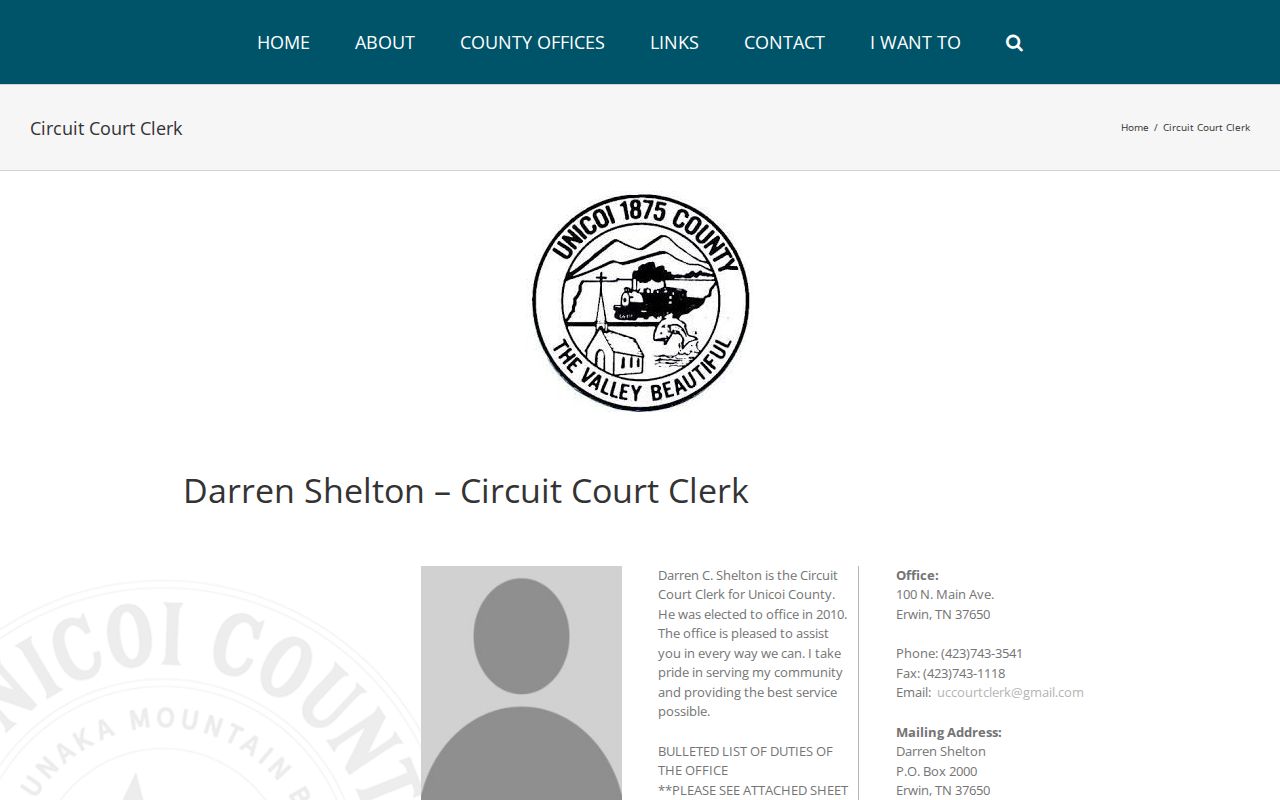
This direct-contact route is the county trial search, not a second-best version of a missing portal.
How to Search Case Records
Start with the court named on the citation, bond paper, or prior notice. If none is known, describe the alleged charge and time period to the Circuit Court Clerk. A narrow request helps staff distinguish people with similar names and link a Sessions number to any later Circuit number.
- Gather the full name, approximate year, case number if known, and the court or charge type.
- Call the Circuit Court Clerk and request coverage of both General Sessions and Circuit criminal files when needed.
- Ask whether the record is current, archived, paper-only, or continued under a new Circuit number.
- Request the docket, charging paper, and final judgment rather than relying on a brief phone summary.
- Confirm copy, certification, delivery, and payment terms before ordering because Unicoi County posts no local fee schedule.
The AOC clerk directory for Unicoi County identifies the county and municipal clerks.
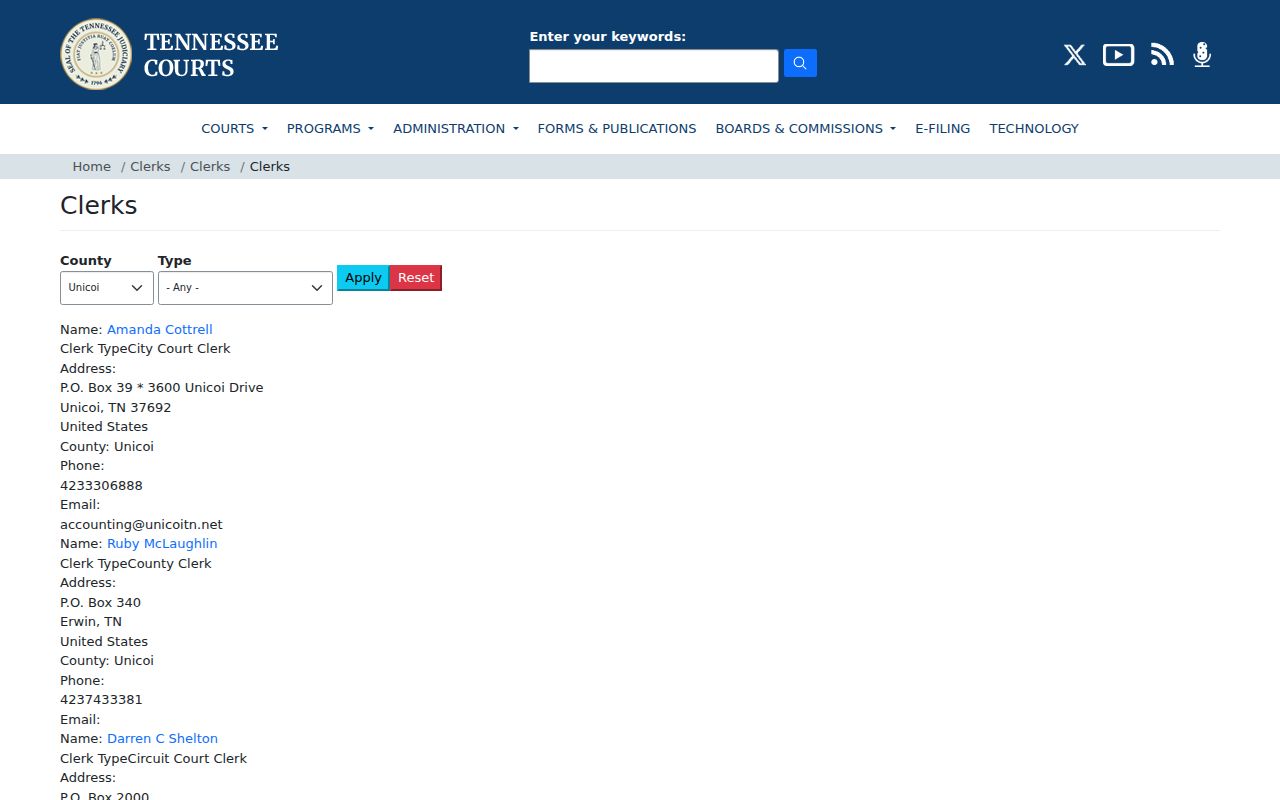
Use that directory when the document points to Erwin City Court or Unicoi City Court instead of the county trial courts.
Unicoi Criminal Case Number Changes
A felony can create two related local trails. General Sessions handles initial steps, while the prosecution proceeds in Circuit Court after indictment or transfer. The later case may use a new number. Searchers who ask for only one court can therefore miss the judgment that ended the matter.
Give the clerk every identifier on hand. Ask whether the Sessions proceeding was bound over, dismissed, reduced, or assigned a Circuit number. A bound-over notation means the lower court sent the charge onward; it is not a conviction. The final Circuit judgment is normally the stronger proof of the filed charge, plea or verdict, sentence, and outcome. If a repository entry looks unfinished, a certified judgment can also support a correction request to TBI.
The state court overview shows the broader Circuit structure.
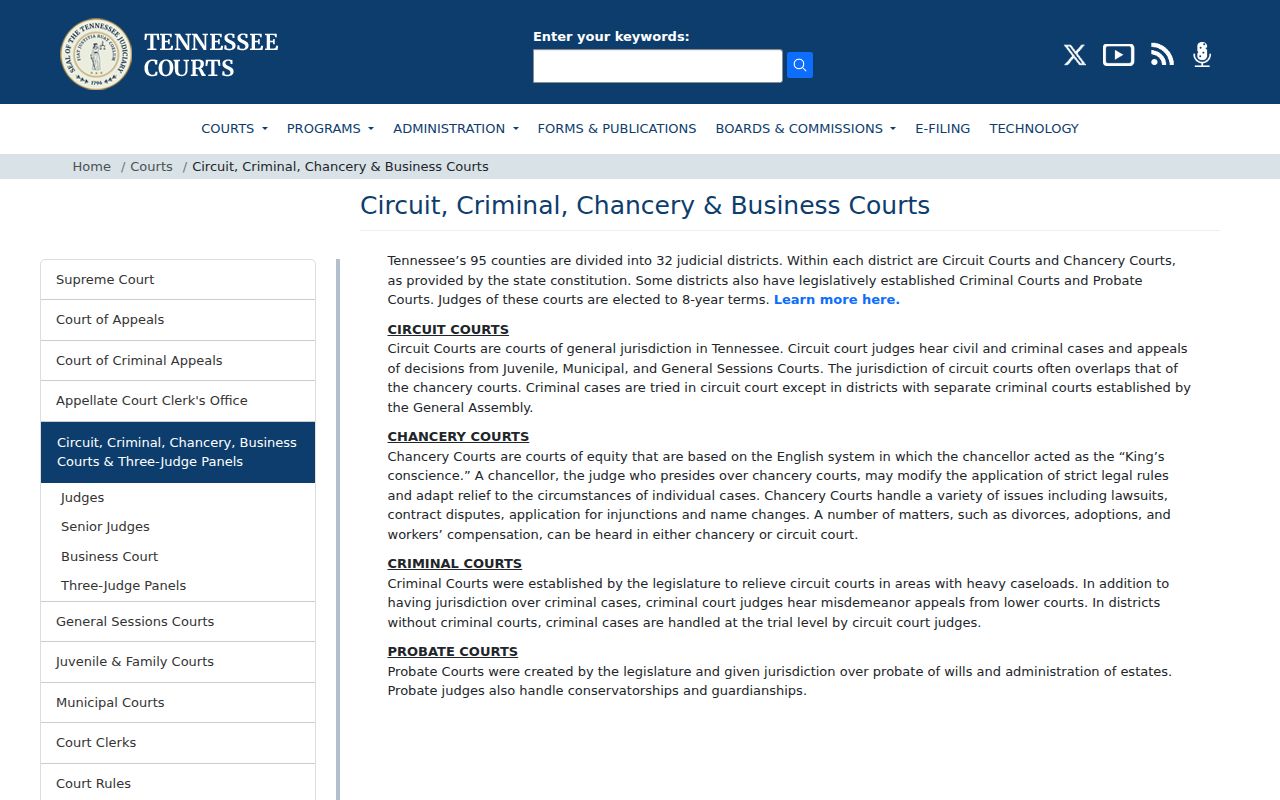
That structure explains the change in custodian and case number as a felony advances.
What the Case File Shows
The local case file is a procedural record. It is richer than a booking entry and more precise than a statewide name match. Request the charging instrument and final judgment when the exact allegation and outcome matter. Docket entries help show what happened between those points, but a docket label alone can be too short to resolve every charge.
| Case Number & Court | The court identifier; a felony may have related Sessions and Circuit numbers. |
|---|---|
| Charging Document | Complaint, returned warrant, indictment, or amended counts with statute references. |
| Docket Entries | Filing dates, hearings, motions, continuances, pleas, and minute entries. |
| Hearing Dates | Scheduled and completed proceedings recorded by the clerk. |
| Disposition & Judgment | The outcome for each count, such as conviction, dismissal, diversion, or nolle prosequi. |
| Sentence & Conditions | Confinement, probation, fines, and conditions in the signed judgment. |
C-Track Misses Most Unicoi Court Cases
Tennessee Public Case History, often called C-Track, does not replace the Unicoi County clerk. It covers the Supreme Court, Court of Appeals, and Court of Criminal Appeals. Its public search includes appellate records filed after September 1, 2006, with data current through the prior business day. Linked documents generally have later coverage. An empty result says only that no matching appeal was found under the search used.
The official Public Case History instructions state those limits.
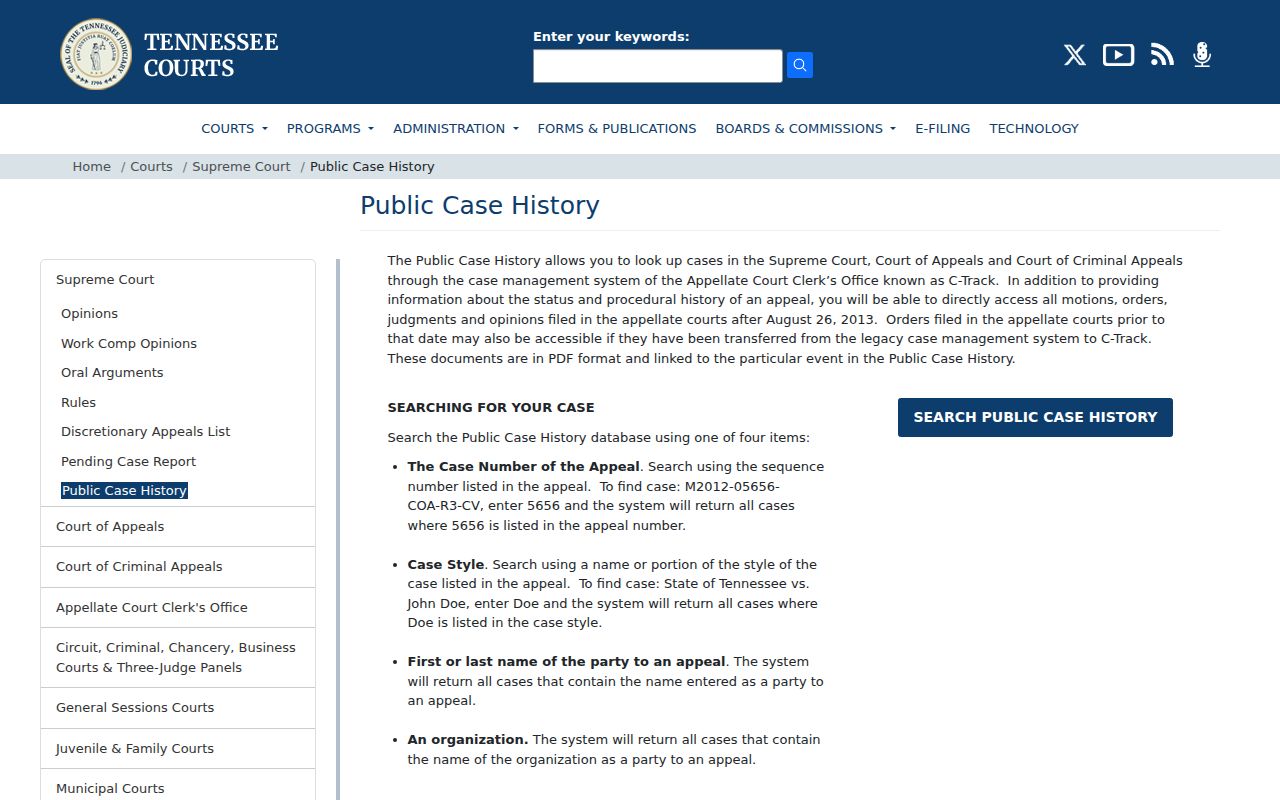
Read the scope notice before drawing any conclusion from a missing appellate result.
| Search field | Required | Use |
|---|---|---|
| Case Number | No | Full appellate number or a distinctive sequence fragment |
| Case Style | No | Name or part of the appeal caption |
| Party Name | No | First or last name of an appellate party |
| Business/Organization | No | Organization named in the appeal |
Stages of a Criminal Case
A criminal case begins with a charging paper, not with a final finding of guilt. Arraignment presents the charge and addresses a plea. Pretrial events may include discovery, motions, negotiations, and hearings. A plea or trial leads to a disposition, and a conviction can lead to sentencing. Felony matters may add the Sessions-to-Circuit transition before this sequence is complete.
Case flow: Charges Filed › Arraignment › Pretrial › Plea or Trial › Disposition › Sentencing
Dates can change, and the research does not support a universal Unicoi County timetable. Use the docket for the sequence and the signed judgment for the result. An arresting agency retains its own investigative report even after the court file opens.
Reading Unicoi Court Case Outcomes
Short docket terms can hide a large legal difference. Read each count separately and pair the term with the filed judgment. A case may contain several charges with different outcomes. Payment of costs does not by itself prove a conviction was erased, and dismissal does not always mean every public record vanished.
- Nolle prosequi
- The prosecutor formally chose not to proceed on that charge at that time.
- Dismissal
- The court ended the charge without a conviction, subject to the order and procedural posture.
- Judicial diversion
- An eligible Tennessee case may defer judgment and permit dismissal and expungement after successful completion.
- Disposition
- The recorded result of a charge or case.
- Certified copy
- A clerk-authenticated copy used when ordinary printouts are not enough.
Note: Ask for the final judgment when a short docket code does not make the outcome clear.
The Tennessee court forms library supplies statewide expungement resources, but eligibility still turns on the exact Unicoi County charge and result.
Inside a Unicoi County Appeal
An appeal record can show the appellate case number, case style, trial court, trial judge, and the original trial-court number. Milestones mark events such as the record filing and briefing completion. Document History may link motions, orders, judgments, and opinions. These fields help trace the review of a Unicoi County judgment, but they do not reproduce every trial filing.
The official Tennessee appellate search supplies the live interface.
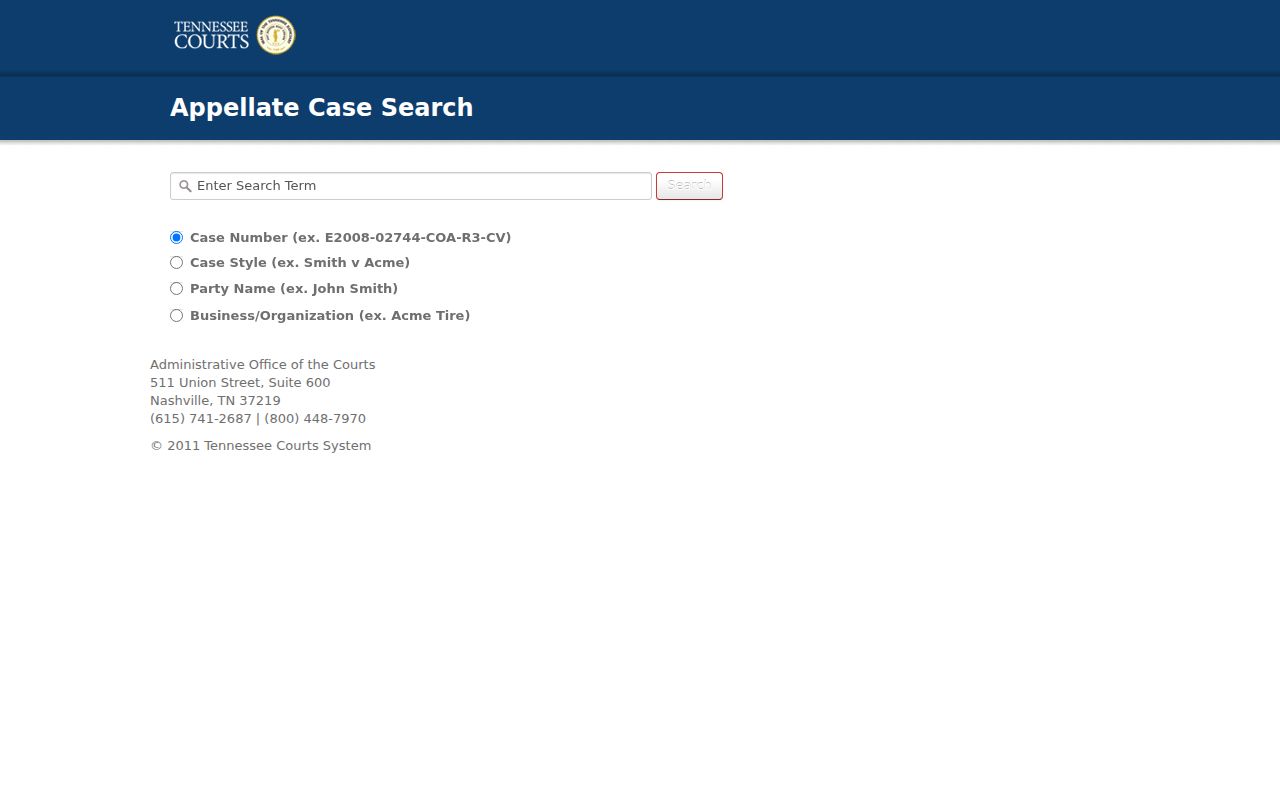
Match the listed trial-court number to the clerk's local file before treating two records as the same case.
The First Judicial District Public Defender profile also documents district service and the Felony Recovery Court operating since 2017. That program context does not replace the clerk's docket or judgment.
Access & Restrictions
Tennessee court records are generally open under Tennessee Supreme Court Rule 34, while the Tennessee Public Records Act governs many agency-held records. Access is not the same as an unredacted right to every detail. Juvenile records, sealed or expunged material, protected victim and minor data, medical information, and confidential identifiers can be withheld or removed. Grand-jury deliberations remain secret even when a returned indictment becomes part of a public case.
Active law-enforcement investigative material can remain closed under Tennessee Rule of Criminal Procedure 16 and state case law while the court docket is open. Ask the clerk for filed pleadings and judgments; ask the originating agency for its report. If a case is absent, have staff check spelling variants, prior names, archived files, both trial courts, and any transfer number. The sheriff's booking record and TBI history are separate sources, not substitutes for the clerk's final case file.
Access point: Contact the Circuit Court Clerk at P.O. Box 2000, Erwin, TN 37650, 423-743-3541, or uccourtclerk@gmail.com. Confirm the counter location and copy charge before visiting.